Walk around any type of business park or retail center and you can typically inform, within a couple of secs, whether the landscape is an asset or a responsibility. You see it in waterlogged lawn, sheared hedges, and empty planter beds that look tired by mid-summer. You also see it in sites that feel amazing and comfortable, also in heat, with healthy and balanced trees, clean edges, and growings that hum with pollinators.
The distinction is practically never about budget alone. It has to do with intent and layout. When industrial landscaping is intended with sustainability in mind, it often tends to set you back much less to maintain, sustain the brand better, and age more gracefully.
After twenty years of working with building supervisors, center directors, and entrepreneur on both business landscaping and residential landscaping, I have seen a consistent pattern: the landscapes that carry out the very best treat sustainability not as a fad, however as a layout restraint. Like a building regulations, it forms every choice without ending up being the whole story.
This article looks at functional, experience-tested means to make commercial sites extra lasting, from the first lines on a landscape style strategy via landscape building and construction and long-term care.
Why sustainable landscaping is a business choice, not simply a green one
Most executives approve landscape budgets for three factors: visual charm, danger management, and running price. Sustainability touches all three.
A well made, eco-friendly site reduces water utilize, chemical exposure, and sound, which reduces expenses and maintains renters and site visitors better. It additionally makes compliance with increasingly rigorous stormwater and warmth island regulations much easier.
On the risk side, bad water drainage that sends water across sidewalks, trees grown under power lines, or high maintenance lawn on steep inclines all come to be future obligations. I have enjoyed residential properties invest more on retrofits and emergency tree eliminations than they would certainly have spent on a thoughtful sustainable style at the start.
There is also individuals element. Staff and site visitors feel the difference between a difficult, reflective landscape and one that supplies color, aesthetic relief, and a bit of nature. Numerous clients have told me their outdoor areas silently ended up being employment tools, specifically when they could point to pollinator gardens, edible landscaping, or noticeable rain harvesting as component of their corporate responsibility story.
Start with the site, not the plant palette
Sustainable business landscape design constantly starts with reading the website appropriately. Among the most usual errors I see is jumping straight to plant options without comprehending existing conditions.
A good site evaluation looks at sun and color patterns, dominating winds, soil kinds, onsite drainage, existing trees and frameworks, and exactly how individuals really relocate with the area. On several office universities, we found that maintenance staffs had actually been combating the exact same soaked turf locations for years. The initial plans had actually overlooked a shallow swale that brought water via the residential or commercial property long prior to the building existed. When we improved grades to regard that all-natural flow and presented a planted bioswale instead of flat yard, the "issue location" came to be a highlight.
When you deal with the site as the very first stakeholder, sustainable remedies often appear almost normally. Inclines recommend terraced planting rather than mown turf. Hot south encountering access argue for deciduous color trees that cool down the space in summer season but let winter months sunlight with. Poor, rocky soils ask for hard, deep rooted natives instead of annual color that needs constant amendments.
This site-first mindset is standard in high degree landscape style workshops, but it does not always filter down into day-to-day commercial jobs. Insist on it, whether your job is a little retail pad or a multi building campus.
Choosing the right plant strategy for commercial sites
Plant choice is where sustainability becomes noticeable. It is likewise where hopeful principles run right into upkeep realities.
The most sturdy industrial growing approaches have a tendency to balance three top priorities: ecological fit, maintenance capability, and brand expression. Neglect any one of those and something will certainly give.
I typically walk clients with four plant areas on most residential or commercial properties, each with its very own logic.
First, the entrance and vital sights. Right here you can validate greater maintenance growings, seasonal color, and more sculpted forms, due to the fact that these beds lug your first impression. I still promote perennials and hedges over pure annual displays, yet I approve that some services desire rotating color at the front door.
Second, the broad history rooms. These are often much better served by difficult, regionally adapted shrubs, groundcovers, and ornamental grasses instead of wall to wall surface grass. In warm, completely dry climates, I have changed over half of grass in these areas with growings that use approximately one third of the water, when established.
Third, useful sides and barriers. Assume parking area boundaries, loading dock screens, and home lines. Here, evergreen structure, sturdy hedges, and blended native types aid with sound, dust, wind, and visual testing. A diverse mix is vital, specifically after the last decade of parasites and illness that have actually wiped out single species plantings in some regions.
Fourth, specialty zones. These may be pollinator gardens near exterior seating, edible landscapes outside a business café, or stormwater features like rainfall yards. These areas are where lasting commercial landscaping comes to be very substantial, but they require cautious outlining so they do not become weed patches. Clear lines in between grown locations and hardscape, proper plant spacing, and watering developed for the details planting are non-negotiable.
Even on heavily metropolitan or commercial websites, this 4 part lens assists stop the "all yard and a couple of trees" default that drives up both water expenses and maintenance frustration.
Water use: moving from automatic to intentional
Irrigation is where several properties quietly bleed money. I have checked out corporate campuses where clocks were still operating on the initial installer's timetable a decade later, watering via rain and wintertime alike.
For sustainable business landscape design, water administration must be treated like energy administration in a structure: monitored, changed, and updated as equipment improves.
A practical, organized technique usually functions best.
First, get eyes on existing systems. Walk the website while areas are running. Keep in mind overspray on sidewalk, misaligned heads, mismatched nozzles, and noticeable leakages. On one combined use facility, straightforward solutions to damaged heads and nozzles reduced water use by around 15 percent without touching schedules.
Second, match irrigation type to growing kind. High performance blades or subsurface drip lines match big lawn or groundcover locations. Trickle or reduced circulation factor source emitters often tend to function better in bush and perennial beds. Sprays soaking walkways are just lost money.
Third, incorporate clever control only after the fundamentals are audio. Weather condition based controllers and soil dampness sensors can decrease water usage by 20 to 40 percent, however only if irrigation zones are logical and equipment is in good shape. Replacing a brain does not deal with a broken body.
Fourth, use plant choice and dirt renovations to minimize water need to begin with. Deep rooted natives, correct mulch, and changed soils in growing beds commonly matter more than any type of gadget. I have seen customers invest thousands on wise controllers while still installing shallow rooted, high water turf varieties where no one ever before walks.
Some areas currently use refunds for upgrading irrigation systems on industrial buildings. It is worth inspecting regional water companies for programs that can help fund retrofits, especially if large lawn conversions are on the table.
Soil wellness: the undetectable foundation
Healthy dirt is the unglamorous foundation of lasting landscaping. It buffers dry spell, filters pollutants, anchors plants, and silently soaks up stormwater. Yet soil is generally the last line product any person wants to spend for throughout landscape construction.
I have stepped onto new industrial sites where the topsoil had actually been scraped away and marketed, leaving scratched subsoil compacted by heavy equipment. Then the contractor hydroseeded directly on that surface and everyone wondered why the turf failed.
If you want landscapes that survive with much less water and fewer chemicals, focus on three soil methods during construction and renovation:
Protect what is there. Partitioning tree security zones and stockpiling existing topsoil for reuse can make a substantial difference. Even 6 to 8 inches of maintained topsoil, spread back and gently tilled right into subsoil, improves long-term performance.
Decompact attentively. Mechanical oygenation or tearing to a deepness of 12 to 18 inches in planting areas, before watering and growing, repays for many years. Do not skip this on car park islands, which frequently end up being stove hot and deprived of air.
Add raw material and compost. Compost and quality mulch assistance feed soil life and boost framework. Stay clear of stacking mulch against tree trunks, which can rot bark and invite insects. I generally advise 2 to 3 inches in beds, renewed as it damages down.
This type of soil treatment is standard in luxury property landscaping, however it should be the norm in commercial work also. When you obtain dirt right, everything above it ends up being easier.
Rethinking grass: where grass makes sense, and where it does not
Lawn still has a place in business landscapes, yet not everywhere. The difficulty is to different grass that offers individuals from grass that exists totally due to the fact that the strategy needed green.
Lawns work well in areas where people actually use them. Yards where staff consume lunch, resort or university environment-friendlies made use of for events, or charitable front grass that frame a building can warrant the water and mowing.
They make much much less feeling on steep inclines, averages, or isolated strips you need to edge with a string leaner each week. Those areas typically come to be locations for drainage, weed intrusion, and security issues for upkeep crews.
On a number of projects, we made use of an easy 3 inquiry filter for every lawn patch:
- Does any person genuinely stroll, sit, or play here? Can the area be safely and successfully mowed? Does this turf contribute strongly to the home's visual identity?
If we can not respond to "yes" to at least 2 of those concerns, we redesigned that area as a growing bed, groundcover, or hardscape. That workout typically reduced turf location by 30 to half without diminishing functionality.
Where lawn remains, take into consideration even more lasting choices: drought forgiving lawn types, taller common mowing heights to shade soil and reduce dissipation, and trimmings went back to the lawn to recycle nutrients.
Trees: the long-term environment asset on your site
Trees are the solitary most reliable component in a lasting landscape for mitigating heat, cleaning up air, and making outdoor area usable. They are likewise the most usual targets of bad planning.
On one distribution center, a previous professional had set up quick expanding color trees too near the vehicle anchors. Within ten years, branches were colliding with trailers, roots were lifting pavement, and half the trees needed to be gotten rid of at great cost. That tale repeats throughout numerous properties.
Successful tree preparation for industrial landscaping boils down to 3 habits.
First, select the right varieties for the site and climate, with a mix that avoids over reliance on a solitary kind. Think about mature size, not baby room size. A tree grew 10 feet from a structure that will eventually spread 40 feet wide is a future problem.
Second, information the growing room properly. Trees forced into 3 foot vast strips between sidewalk seldom prosper. Where possible, develop connected dirt quantities, structural dirts under pavements, or larger planting islands that can share root room. Cities that treat trees as infrastructure now specify target landscaping pasadena root volumes per tree, and commercial projects can obtain that mindset.
Third, devote to the very first three years of treatment. Many tree failures on business sites trace back to poor first watering, improper staking, or weed trimmer damage at the base. An easy, written facility duration strategy with clear obligations often makes the distinction in between a struggling landscape and a resistant canopy.
Trees can additionally play a noticeable role in sustainability messaging. On a business campus, we noted a few key color trees with discreet plaques describing their carbon storage and cooling effect in relatable terms. Personnel began describing those trees on trips for brand-new workers and visitors, transforming infrastructure right into story.
Hardscape, products, and building and construction selections that matter
Landscape building and construction on industrial sites typically focuses on rate and resilience, which can sometimes encounter sustainability. Yet a few sensible choices during design and building and construction can boost performance without endangering function.
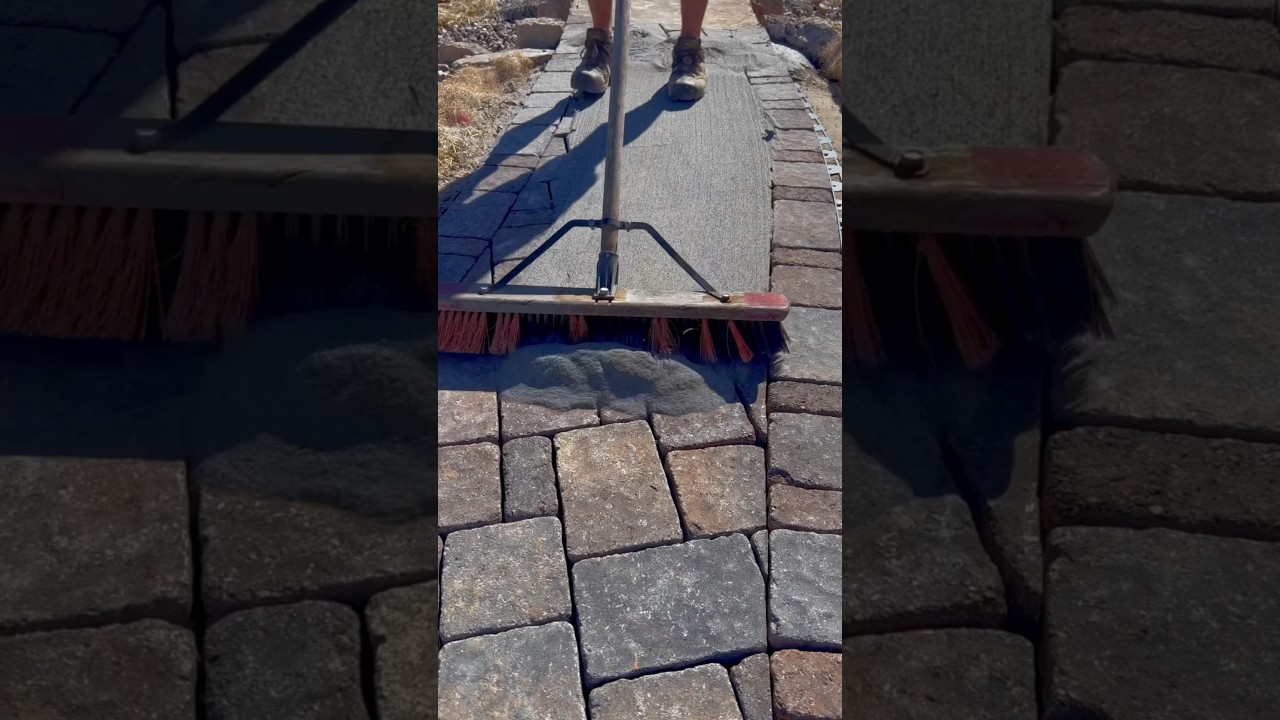
Permeable sidewalks, when used in appropriate areas, help reduce overflow and charge groundwater. They need proper base prep work and ongoing vacuum sweeping, so I hardly ever advise them in high debris areas like drive lanes, however they function well in overflow car park, plazas, and pedestrian paths.
Reused or locally sourced products cut transport discharges and often wear in more with dignity. Recovered stone, website salvaged rocks, or even meticulously reused concrete can add personality to a site while lowering virgin material use. I dealt with a task where broken concrete from an old loading dock came to be the core of brand-new maintaining wall surfaces, confronted with rock. Prices dropped and the style got a refined web link to the property's history.
On the planting side, specifying container dimensions intelligently reduces both initial price and the ecological impact of carrying and setting up large plants. In most cases, a well chosen 5 gallon hedge will certainly establish faster and inevitably outgrow a stressed 15 gallon specimen mounted in bad soil.
Clear coordination in between landscape style and construction groups is vital. Misaligned assumptions regarding dirt midsts, irrigation sleeves, or root barrier placement can transform a sustainable strategy into an endangered fact. Early conferences where the contractor can flag constructability problems save both transform orders and ecological performance.
Maintenance: where sustainability endures or fails
The most thoroughly designed sustainable landscape can still fall short if upkeep regimens do not match the intent. Maintenance agreements are frequently written to minimize price per check out, with line products for mowing, bordering, and periodic trimming, yet extremely little nuance.
I encourage building supervisors to reconsider upkeep specs using a couple of core groups rather than a lengthy checklist of tasks:
Plant health and wellness and kind. Define results for hedges, groundcovers, and trees as opposed to rigid pruning timetables. As an example, "preserve all-natural form and complete vegetation thickness" as opposed to "shear every three months."
Water monitoring. Consist of expectations for seasonal irrigation changes, leakage checks, and control with water constraints, not just "operate system."
Soil and mulch treatment. Establish requirements for mulch depth and weed control methods, consisting of limitations on herbicide usage near sensitive areas.
Waste decrease. Request eco-friendly waste to be composted where centers exist, and take into consideration onsite composting for large campuses.
Seasonal evaluation. Call for a yearly walk with the specialist, developer (if offered), and home manager to recognize concerns, opportunities for plant substitutes, and potential grass conversions.
That yearly testimonial walk, occasionally just an hour, is where much of the very best adjustments occur. I still remember a light commercial site where we recognized, on an autumn evaluation, that personnel had actually taken on a peaceful corner of the property as a smoking and break location. Within 6 months, we had shifted plantings, included shade, and developed a tiny, formally acknowledged outside room. What started as a need for less cigarette clutter ended up being a much healthier, much more comfortable space that likewise sustained pollinators and utilized far much less water than the old lawn.
Integrating people and landscape: making sustainability visible
Sustainable industrial landscape design functions best when individuals notice and utilize it. That does not call for driveway hardscaping contractors interpretive indicators anywhere, yet a couple of purposeful motions go a long way.
Edible growings outside cafeterias, herb beds utilized by onsite kitchen areas, or little community yard plots for staff members obscure the line between yard landscaping and industrial function. They also send out a solid signal that the landscape is part of day-to-day live, not just decoration.
Simple, legible paths and lights welcome people to walk as opposed to drive in between buildings. Seating under trees, with views to fascinating plantings rather than parking lots, motivates outside conferences and breaks. On a technology university, outside Wi-Fi and a handful of power outlets near shaded seats locations considerably boosted use landscape areas with no additional planting.
For lots of companies, the line between business and residential landscaping appearances is also softening. Cozy, human scaled products, combined seasonal boundaries, and relaxed meadow style growings are now common also in workplace parks. When succeeded, these growings support biodiversity and call for less rigid upkeep, while still providing a professional, deliberate appearance.
The secret is clarity. Lasting landscapes that look neglected threaten trust, while those that reveal clear sides, split structure, and seasonal rhythm tend to be welcomed by both administration and users.
Where to start: a sensible roadmap for existing properties
For a business handling an existing website, the change to lasting landscaping can really feel overwhelming. It does not require to take place at one time. A phased approach frequently creates better outcomes and spreads costs over time.
Here is an easy, experience based series that benefits several residential properties:
Audit and quick success. Stroll the site with your landscape contractor or a specialist. Identify evident watering leakages, harmful trees, chronic problem locations, and lawn that no person uses. Address safety and security problems first, repair leaks, and test modest turf-to-bed conversions in a few locations.
Strategic redesign. For larger homes, appoint an updated landscape layout that mirrors current sustainability goals, water truths, and upkeep capacity. Concentrate on entries, crucial views, and stormwater initially, then radiate out.
Phased building. Apply landscape building and construction in phases, starting where you will see one of the most water cost savings, threat reduction, or user advantage. File changes and update upkeep contracts as areas convert.
Train and readjust. Deal with your maintenance supplier to line up practices with the new landscape. That might mean different pruning techniques, timing of visits, or tools choices.
Communicate. Share noticeable modifications with lessees, workers, or clients. Brief signs clarifying a brand-new bioswale or pollinator bed assists individuals recognize that a different appearance is willful and beneficial.
When came close to this way, lasting commercial landscaping quits feeling like an one-time task and enters into the property's ongoing evolution, similar to indoor improvements or power upgrades.
Thoughtful landscape layout and building and construction can change a building from a cost center into a possession that supports organization objectives, shows brand values, and replies to environmental pressures. With cautious plant options, smart water management, regard for dirt, and maintenance lined up with style intent, green commercial landscape design is not just feasible, it is usually one of the most practical long-term strategy.