Good household landscape design does 2 points at the same time. It makes your home feel much better to stay in today, and it silently includes worth for the day you decide to offer. Many house owners concentrate on paint colors and cooking area finishes, then step over bare growing beds and fractured walkways heading to the open home. Buyers do not. They discover the exterior initially, and that first impression structures everything that follows.
After years of strolling properties with property agents, appraisers, and landscape crews, I can inform you this: you seldom need a masterpiece estate garden to move the needle. You need a style that looks intentional, is easily constructed, and feels simple to keep. When those three components line up, also small homes start to look even more expensive.
This is where the mindset of commercial landscaping and specialist landscape layout can silently raise a regular backyard. You do not require a business university budget plan, simply a much more critical way to utilize it.
How Landscaping Really Influences Home Value
Landscaping influences value in two methods, one psychological and one financial.
The psychological side is simple. Customers create an opinion in the first 10 to 30 seconds of seeing a home. Neat, healthy and balanced plants and a clear entrance sequence signal that the home has been looked after. Overgrown hedges, uneven yard, and discolored hardscape send out the opposite signal, also if the inside is immaculate.
Financially, landscaping adds to:
- Perceived quality: Evaluators and buyers commonly check out great household landscape design as proof that the rest of the building has been maintained just as well. Marketability: A home that photographs well and looks inviting from the road tends to obtain even more provings, even more offers, and much less time on market. Usable square footage: Outdoor rooms that function like additional rooms - a simple patio area, a defined fire pit area, or a shaded seating corner - properly broaden living area without triggering the same expense as an addition.
It is hard to appoint a solitary percentage to landscape design worth due to the fact that markets vary, yet in many suburbs, property representatives regularly estimate a well-planned landscape can add a number of percent to perceived value. On a 400,000 dollar home, also a 3 to 5 percent lift is meaningful.
The important detail is that the worth originates from the general impact, not from any kind of single expensive attribute. A 15,000 buck outdoor kitchen area bordered by dying bushes resembles a mistake. A 3,000 dollar mix of entrance growing, lights, and repaired pathway can feel like a significant upgrade.
Think Like a Commercial Website, Then Range It Down
Commercial landscape design has one essential concern: control the customer experience from the moment somebody sees the building. You can obtain that way of thinking at home without transforming your yard right into a purchasing center.
Professionals that take care of industrial websites check out three things in turn: how individuals arrive, how they relocate through the room, and what they see at each moment. Equating that to property landscape design, you concentrate on the arrival from the road, the stroll to the front door, and the views from essential windows and outside seats areas.
From experience, the fastest value increases normally come from tightening up those 3 areas:
First, the road view. This consists of the aesthetic, driveway edges, mail box area, and the broad front frontage of your house. Tidy lines, regular plant heights, and noticeable windows and door matter greater than plant variety.
Second, the front walk and entry. Individuals must know instantly where to walk, and the path must really feel inviting, not like a slim street. If the walkway is broken or too slim, landscape building and construction upgrades here often repay both in safety and appearance.
Third, the major exterior living space. For some homes it is a small patio area off the cooking area. For others, it is a side backyard or deck. This is where purchasers imagine their own lives: coffee, grilling, kids, animals. If this area really feels defined, exclusive, and comfy, the whole residential property really feels more complete.
Commercial websites also rely heavily on rhythm and repeating. As opposed to twelve arbitrary plants from a sale shelf, they utilize a small palette repeated in groups. That very same approach, applied to garden landscape design in a front backyard, looks immediately more professional.
The 3 Principles That Make Any Type Of Lawn Look Expensive
Whether you have a new advancement great deal or a fully grown home, three design principles are behind nearly every effective residential landscaping project I have seen: quality, proportion, and layering.
Clarity implies that the eye understands what it is looking at. Beds have edges. The grass has actually a specified form. The path clearly leads to the front door. You are not requiring visitors to presume which means to go, or where the backyard finishes and the next-door neighbor's begins. Straightforward modifications like strengthening a bed line or installing a crisp edge can create clarity without adding a solitary new plant.
Proportion is about balance in between residence, plants, and open room. Tiny hedges scattered before a two-story frontage make your home look bigger and much more enforcing. On the various other hand, towering evergreens stuffed versus a one-story cattle ranch can make it look buried. A guideline: at the very least some growings need to match or surpass the height of the home windows they frame, while others remain below sill elevation to maintain glass visible.
Layering makes a landscape really feel lush without necessarily adding a lot residential landscape installation of upkeep. Rather than one line of hedges hugging the structure, assume in 3 rates. Taller architectural plants at the back, mid-sized hedges before them, and low groundcovers or perennials at the front edge. Also if each layer uses simply 1 or 2 plant types, the staggered elevations create depth.
When those three principles align, also budget plan materials begin to look intentional.
Fast, High-Impact Improvements You Can Do Within a Week
Some jobs call for hefty landscape building and construction. Several do not. Over the years, I have seen homes transform their curb appeal in just a vacation by targeting a handful of tactical items.
Here is a short, realistic list that typically produces outsized outcomes:
Define and clean all bed borders: Use a spade or bordering tool to reduce a smooth curve or straight line where lawn fulfills planting beds, after that eliminate encroaching grass. Refresh mulch: A fresh 2 to 3 inch layer, in a consistent shade, promptly conceals bare soil and links various plantings. Trim or get rid of trouble bushes: Anything blocking home windows, overhanging pathways, or dead in the facility should be pruned hard or replaced. Upgrade the front door zone: Add 2 considerable containers with simple, healthy and balanced plants, tidy or paint the door, and make certain the equipment and residence numbers are visible. Install standard course and entry lights: Low-voltage or solar fixtures that illuminate steps and the front entry often return extra value in regarded safety and security than in pure aesthetics.Each of these tasks is workable for a homeowner with standard tools. Together, they make the home really feel taken care of, which is specifically what customers and evaluators respond to.
Where Landscape Building Supplies Real ROI
Not every hardscape task pays off. I have actually strolled residential properties where the proprietor put money into an intricate water attribute while the driveway crumbled and the front walk was so slim that visitors needed to walk file. Those selections seldom thrill buyers.
When thinking of landscape building and construction, prioritize function and lasting sturdiness prior to frills.
Front sidewalk and steps come first. If the path is as well narrow, damaged, or awkwardly aligned with the driveway, updating it is normally cash well invested. A straight, safe, 4 to 5 foot broad course with a mild grade really feels generous and makes moving furniture, baby strollers, or wheelchairs less complicated. Product matters less than problem, yet regular materials that suit your home style provide a much more sleek look.
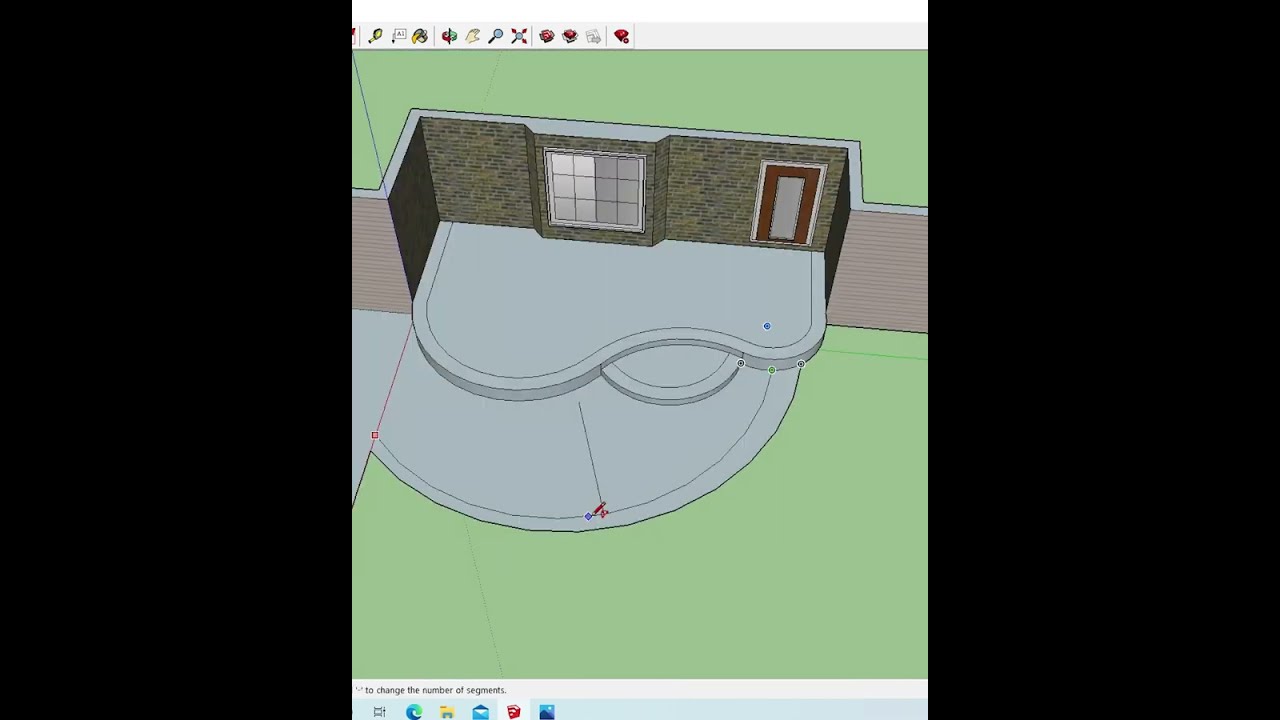
Patio or balcony area is the 2nd major chance. A small however durable patio area, sized to easily hold a table and chairs or a lounge set, often defeats an extensive yet improperly thought-out slab. For a typical single-family home, 150 to 300 square feet of tough surface area is frequently adequate to seem like an "outdoor space" without frustrating the yard.
Retaining wall surfaces and grade improvements are much more technological, however they can unlock unusable inclines and boost drainage. If your backyard is a hillside that no one utilizes, an appropriately crafted little keeping wall surface with a level balcony on the top can transform "lost" land right into a selling factor. Below, working with a professional who landscaping pasadena recognizes both landscape design and architectural needs is critical, since a stopped working wall can harm value.
Driveway resurfacing is one more peaceful champion. A driveway with tidy edges, no major cracks, and a proper width for the neighborhood frameworks the entire home. Straightforward border growings or a subtle paver band at the entrance can raise the appearance without a complete reconstruction.
The usual thread is this: if a piece of landscape construction fixes a useful problem and aesthetically cleans up a noticeable area, it is most likely to include more to your home's value than a novelty attribute concealed in the backyard.
Residential Landscaping Blunders That Silently Kill Value
After enough site brows through, particular patterns repeat. The same handful of missteps appear in yards where owners have actually plainly hung out and cash but still struggle to obtain a strong list price. Knowing these mistakes lets you prevent them before you invest.
Here are the ones I see usually:
Overplanting near your home: Property owners cram way too many hedges right against the foundation, which then outgrow the area, block home windows, catch moisture, and create parasite issues. Purchasers see job, not charm. Random plant collections: Beds stuffed with one-of-everything from garden facility impulse acquires absence communication. The result really feels messy, despite exactly how healthy the plants are. Ignoring scale in hardscape: Tiny patio areas drifting in massive lawns, or substantial concrete areas connected to little homes, visually battle with your home and waste potential. High-maintenance masterpieces in low-maintenance neighborhoods: A lawn that demands weekly fine trimming and watering in a neighborhood of straightforward, turf-heavy lots can be an obligation. Buyers read it as future initiative and expense. Neglecting side lawns and transitions: Overgrown side backyards, unpleasant steps in between areas, or missing gates create rubbing in everyday use and mean covert upkeep problems.Most of these mistakes are fixable without beginning again. Often it is as easy as eliminating 20 percent of the plant product and reshaping beds, or including one linking path that connects front and back together.
Garden Landscaping That Really feels Elegant, Not Laborious
An usual fear is that more fancy garden landscape design indicates more work. It can, but it does not have to. The secret is to divide visual complexity from maintenance complexity.
Repeating a couple of plant key ins intentional patterns provides you a rich appearance with less effort. For instance, pairing one evergreen shrub with one blooming hedge, then using a single groundcover and 2 or three perennial varieties ahead, can produce a layered boundary along a whole front frontage. To an informal viewer, it looks bountiful. To the person maintaining it, it refers acknowledging and looking after five or six acquainted plants.
Seasonality is also vital for viewed value. Customers stroll residential or commercial properties in all type of weather. Aim for at least one structural evergreen element in every major view, so the backyard does not go visually flat in winter season. Then, stagger plants that peak at various times: very early springtime light bulbs, mid-season perennials, and late-season ornamental grasses or shrubs with autumn color.
Where feasible, pick plants that match your climate and dirt rather than requiring high-maintenance types. In several newer suburbs, I see homeowners dealing with constant battles with dehydrated yards and fragile flowering trees that are poorly fit to their problems. The backyard looks worried, which reviews as neglect. Appropriate, drought-tolerant plantings that actually grow will constantly look extra expensive than having a hard time "expensive" plants.
If you are not exactly sure where to start, walk close-by commercial homes that look good year-round. You will observe that several depend greatly on challenging, repeatable growings. Adjusting that ethos to a property scale, after that softening it with a couple of individual touches, strikes a great balance between polish and personality.
Matching Landscape Layout to Your Certain Home
No single style fits every residential property. One of the most beneficial domestic landscaping appreciates the architecture of the home and the personality of the area, after that includes a bit of distinction.
For a conventional home, balance around the entry typically functions well. Matching structure growings on either side of the front door, a centered course, and uniformly spaced hedges produce a feeling of order. Rounded bed lines at the lawn edge can soften the formality so it does not really feel stiff.
Modern or contemporary homes normally gain from cleaner lines and even more architectural growing. Rectangle-shaped beds, lawns, and vibrant masses of a single plant kind can highlight the design. In these setups, landscape building options like poured concrete, big pavers, or gravel bands often make more sense than rustic flagstone.
Cottages and cottages usually wear looser, more blended growing designs well, yet the exact same rules about quality and proportion still apply. You can have a front yard loaded with flowers, as long as there is a clear course, visible front steps, and plants that grow no taller than window sills where sights matter.
In any kind of case, walk to the contrary side of the road and recall at your home with fresh eyes. Notice where your eye quits initially. Ask what one or two modifications would most strongly improve that initial view. Typically it is not extra planting, but far better structure: a focused path, a tidier tree cover, or an effectively scaled hedge on each corner of your home to aesthetically secure it.
Borrowing from Commercial Landscaping for Maintenance Efficiency
Commercial landscapes are created to be maintained at scale. Teams require to move promptly, and homeowner want foreseeable prices. You can bring a few of that assuming home without giving up charm.
One method is organizing plants by water and light demands. This allows you to irrigate or hand-water more efficiently rather than babying one parched plant in a completely dry edge. It also improves plant wellness, which is the actual driver of aesthetic quality.
Another tactic is decreasing uncomfortable cutting. If you find on your own constantly hacking hedges far from walkways or windows, the plants are in the incorrect area or the wrong size. Industrial websites typically depend on plants that naturally stay within established height and size arrays, especially near access and courses. Picking compact selections for limited places in the house reduces both labor and the "butchered" look that originates from continuous hefty pruning.
Mulch is an additional location where business criteria can help. Constant compost deepness subdues weeds and protects dirt, but overdoing it around tree trunks or piling it against house siding creates issues. Target 2 to 3 inches in beds, pulled back a couple of inches from stems and trunks. A couple of extensive compost rejuvenates each year is normally adequate if you stay on top of spot weeding.
Finally, straightforward access courses matter. If your side gateway sticks, the hose bib is buried behind shrubs, and there is no clear way to bring tools into the backyard, you or your service provider will ultimately reduce corners. Business landscapes are set out with maintenance gain access to in mind; think about the exact same when placing brand-new beds or hardscape.
When to Bring in a Professional, and How to Deal with One
Not every job needs a landscape engineer or designer, but particular circumstances benefit from professional input.
Complex grading, drain concerns, retaining wall surfaces over a certain elevation, and substantial changes to driveway or sidewalk alignment need to not be improvised. Experts trained in landscape design and landscape building recognize regional codes, dirt habits, and long-term resilience. A couple of hours of consulting or a standard layout strategy can quickly conserve you from costly modifications later.
If you do hire assistance, be clear regarding your top priorities. For instance, tell your designer that resale value and reduced maintenance are more vital than a showpiece layout. Ask them to explain compromises: which features are nice-to-have versus essential. Excellent experts regard budget and feature as high as aesthetics.
On smaller jobs, consider a hybrid strategy. You might pay for a scaled principle plan that sets out plant masses, paths, and main features, after that install in stages in time. This keeps the style coherent, even if the job takes place in stages.
Whether you bring in outdoors assistance or do whatever on your own, maintain one directing question in mind: will this transform make the home much easier and a lot more positive for the following owner along with for me? When the solution is of course, you are normally on the right side of the value equation.
Keeping the Value You Simply Created
A magnificently performed landscape can shed its side in a season if no one attends to it. Fortunately is that regular treatment, done constantly, maintains a lot of the worth without consuming your weekends.
Think in regards to a simple, duplicating rhythm:
Spring is for cleanup and preparation. Get rid of wintertime damages, side beds, reduced perennials, and revitalize mulch where it has thinned. Inspect watering or hose pipe accessibility early, before heat arrives.
Summer is for keeping track of and light touch-ups. Focus on targeted watering, area weeding, and keeping paths and access clear. Change any type of plantings that are plainly failing as opposed to nursing them for years.
Fall is for modifying. This is the moment to get rid of tired annuals, thin or divide overgrown perennials, and evaluate which bushes are also big or poorly positioned. Planting in autumn likewise gives several shrubs and trees a far better start.
Winter is for planning. Stroll the residential property, note gaps in wintertime structure, and consider which moderate upgrades could make the largest aesthetic distinction following year.
When you approach property landscape design as a living, breathing component of the property's value, not just a fixed decoration, it comes to be much less complicated to justify small, steady investments. With time, those investments compound, and by the time you are ready to sell, your lawn is not a task purchasers fret about, but an asset they aspire to pay for.