The most effective low-maintenance backyards I have seen share one thing in common: they were planned for the method individuals really live, except weekend garden enthusiasts with unlimited time. When you design a landscape around genuine schedules, it alters every choice you make, from the form of the grass to the sort of compost under the shrubs.
Whether you manage a packed job calendar, handle kids and carpools, or merely prefer not to spend your leisure time behind a mower, you can still have an appealing, polished exterior space. The trick is to invest a little thought and, where possible, some in advance job so the landscape does the majority of the heavy lifting for you.
This applies to both property landscape design around a solitary home and to tiny industrial buildings where curb charm issues but maintenance budget plans are limited. The exact same concepts show up throughout yard landscaping, commercial landscape design, and larger-scale landscape construction tasks: simplify, standardize, and regard the site.
Start With Just how You Utilize Your Yard
Before finding plants or hardscape products, it aids to be straightforward concerning what actually occurs in your backyard. I frequently begin a landscape style conversation with simple, sensible questions.
Do you organize good friends outside, or is the yard mainly Pasadena garden company a backdrop you see through the home windows? Do kids or family pets need open room to run? Do you take a trip usually? Just how much straight sunlight and wind struck your property?
I as soon as dealt with a pair that urged they wanted a big lawn. On a website go to, I asked how commonly they rested outside now. They admitted they seldom did. What they in fact desired was a clean, green view from the cooking area and a tidy entry. We decreased the turf to a charitable however small rectangular shape and committed the remainder to durable bushes and gravel. Their weekly mowing went from greater than an hour to 15 minutes.
Think concerning:
- The locations you walk through daily, like front entries and side paths to rubbish and recycling. The views you care about the majority of, such as what you see from the living room or home office. Any specific functions: barbecuing, playing, a pet dog run, or a tiny veggie patch.
Once those top priorities are clear, everything else can end up being background. History areas are where low-maintenance approaches settle the fastest.
Shrink the Yard Without Losing the Green
Grass is often the biggest time sink in domestic landscape design. Also a modest grass demands trimming, edging, feeding, and watering. For many active home owners, the objective ought to not be absolutely no grass, but the right amount of grass in the right shape.
The most efficient lawns share numerous qualities. They are simple in overview and easy to trim, with lengthy straight runs or huge, mild contours. They are not studded with tiny islands of growing that call for delicate trimming. They are located where people really walk, sit, or play, not tucked in unpleasant edges where a mower barely fits.
If you such as the look of an environment-friendly surface however want far less work, consider these strategies.
First, restrict the yard to a main, functional area such as a rectangle-shaped play area or a defined entertaining area. Treat it like an exterior rug, surrounded by lower-care growings or groundcovers.
Second, get rid of narrow turf strips along driveways, in between sidewalk and curb, or in between stepping stones. These are high-effort, low-reward rooms that add little aesthetic worth however need the same degree of treatment as the major lawn.
Third, if your environment permits, explore options like no-mow fescue blends, clover-rich blends, or groundcovers such as thyme or kurapia. They are not maintenance-free, but they need much much less mowing and, in many cases, less water. On industrial landscaping jobs, I usually specify low-input grass on inclines or peripheral areas to minimize maintenance costs.
In warm or arid regions, downsizing the yard can significantly cut water usage. One little front backyard I upgraded eliminated roughly 60 percent of the turf, changing it with gravel mulch and drought-tolerant hedges. The owners saw their irrigation runtime come by concerning half, and their regular monthly duty list diminished with it.
Hardscape That Functions For You, Not Against You
Hardscape is any non-plant part of the backyard: outdoor patios, paths, walls, edging, decks. Improperly selected hardscape can produce maintenance migraines, however smart options can remove entire groups of work.
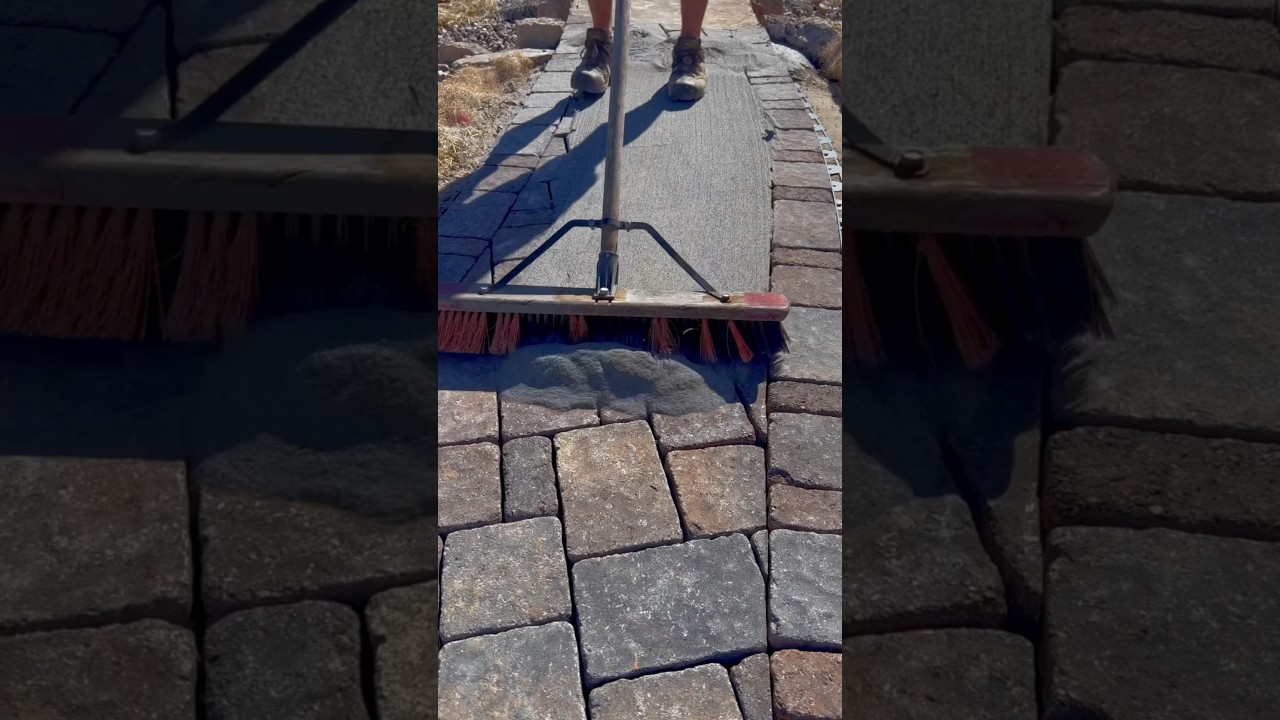
From a landscape construction perspective, materials and outlining issue as high as format. A basic concrete or paver outdoor patio, set up appropriately, requires much much less upkeep than a patchwork of stepping stones bedded in dirt. A well-compacted gravel path with strong edging stands up to weed invasion better than a bare dirt shortcut.
When I style for reduced upkeep, I look very closely at three things.
First, changes. The sides where products meet is where problems often begin. An unedged grass that satisfies growing beds will constantly sneak into the mulch. Pavers without proper containment will spread. Bordering products - such as steel, concrete visual, or thick masonry - develop a clear line that conserves time every single week.
Second, joints. Very broad joints in between pavers, filled with dirt, welcome weeds. Tight joints filled with polymeric sand withstand sprouting and ant task. Large-format pieces have less joints in the first place, which looks clean and lowers areas where debris accumulates.
Third, inclines and drain. Surfaces require enough fall to shed water, but not so much that soil or crushed rock frequently wash away. On business sites, where hefty usage reveals any type of powerlessness, I have seen inadequately rated paths end up being yearly repair work jobs. For homeowners, a slightly greater upfront investment in proper grading and drainage often pays off.
A low-maintenance backyard does not stay clear of hardscape; it utilizes it purposefully. A compact, smooth patio might change a deck that needs staining, or a gravel courtyard may change a high, hard-to-mow side yard.
The Right Plant Palette: Hard, Dull, and Beautiful
Plant choice is where most low-maintenance jobs are successful or stop working. Many home owners are attracted to showy pictures of unique flowers. In real conditions, specifically without constant interest, those same plants sulk, flop, or vanish.
For a sturdy, low-effort yard landscaping plan, concentrate on plants that endure your dirt and environment without consistent pampering. Neighborhood knowledge issues right here. A shrub that acts completely in the Pacific Northwest might pass away in a solitary wintertime in the Midwest. Baby rooms, extension services, and specialist landscape designers in your location usually understand which plants can deal with some neglect.
An audio low-maintenance plant palette frequently includes:
Structural evergreens that hold form without heavy trimming, such as boxwood alternatives, arborvitae, or dwarf conifers suitable to your region. Long-lived perennials like daylilies, salvia, sedum, or decorative lawns that do not need staking or regular division. Shrubs that bloom on new wood, so you do not need to remember accurate pruning schedules. Instances include lots of hydrangeas and some spirea varieties. Groundcovers that knit densely adequate to outcompete weeds as soon as established.The phrase I typically utilize with customers is "stable history, seasonal highlights." The steady history originates from a foundation of bushes and evergreens that look excellent year a year. Seasonal highlights might be a couple of showier perennials or light bulbs that do not need continuous grooming.
Aim for a minimal number of various plant types, duplicated throughout the lawn. A layout with 40 or 50 special plants is difficult to preserve also for a lover. A more practical property landscaping plan may rely on 8 to 12 main plants, sprinkled with a few special accents. From an upkeep standpoint, rep is efficiency: you find out how one plant acts, then use that understanding all over it appears.
Smart Layouts: Team by Requirement, Not by Color
Color-themed gardens are attractive, but for low-maintenance landscapes I like grouping plants by their water and light needs initially. When plants with similar needs share an area, irrigation is easier and you throw away less water.
A typical layout technique could resemble this. Along the warm, bright side of a driveway, pick drought-tolerant hedges and perennials. Near a downspout or in a low place that stays moister, use plants that value added water. Wherever feasible, prevent mixing thirsty plants with dry-loving types in the very same bed.
This strategy is standard in industrial landscape design, where watering systems are zoned by direct exposure and plant kind to maintain running prices predictable. Homeowners can obtain the very same logic on a smaller scale.
Also think of exposure and accessibility. High-maintenance plants, if you absolutely need to have them, should enter areas where you can reach them from a course or patio area without stretching over other plantings. Hide the workhorses in the background; area the prima donnas where your hands and eyes can reach them easily.
Mulch: Your Finest Employee
If there is a solitary maintenance tool I would certainly not avoid, it is mulch. An appropriate mulch layer slows weeds, barriers dirt temperature, maintains dampness, and protects plant roots.
The method is to mount it properly. Organic composts such as shredded bark, timber chips, or composted plant product work well for many residential landscapes. Spread them 2 to 3 inches deep across bare dirt in planting beds, maintaining mulch a couple of inches far from plant stems and tree trunks to stop rot.
Installing a thick layer of mulch right away after growing is especially essential in brand-new yard landscaping. The very first 1 to 3 years are when weeds can swiftly get a grip. As soon as woody plants and groundcovers grow and cast even more color, upkeep commonly decreases noticeably.
Stone or crushed rock compost can also work, particularly in dry environments or modern-style landscapes. It does not break down as quickly as organic mulch, so it requires covering up much less frequently. The compromise is that stone reflects warm and can be extreme around shallow-rooted plants in hot areas. It also traps leaf litter, so you might spend more time blowing or raking debris off crushed rock surface areas in the fall.
On several industrial websites I have actually managed, converting subjected soil around car park trees to deep mulch cut weed control check outs practically in fifty percent. The exact same reasoning uses around a home: deal with mulch as a silent, low-priced staff member that functions every day.
Irrigation That Matches Your Reality
Watering is commonly what damages the low-maintenance guarantee. A landscape that survives just if somebody stands outside with a tube for hours during heat waves is not low-maintenance. Automatic watering systems are not necessary, but some kind of predictable sprinkling strategy is.
If your spending plan enables, a skillfully created drip watering or efficient lawn sprinkler deserves serious factor to consider. In both property and commercial settings, I have seen properly designed systems decrease water usage by 20 to 40 percent contrasted to manual watering, largely since they use water gradually and consistently.
Important factors for a low-maintenance configuration:
First, separate your lawn from planting beds on various zones. Grass commonly needs water on a various schedule than hedges or perennials.
Second, support drip watering for beds where practical. Drip delivers water right to the origin zone, reduces evaporation, and maintains vegetation dry, which lowers illness risk.
Third, make use of a controller with weather change functions or at least easy seasonal programs. Many house owners established a timetable once and never transform it, which drainage and can worry plants in wet or completely dry periods.
If a full watering system is not practical, design with hand watering in mind. Area thirsty plants better to the house where you can reach them easily with a tube. Make use of large containers rather than several small pots, because larger soil quantities dry even more slowly.
Edging, Barriers, and the Fight Against Weeds
Weed control is the job that a lot of house owners undervalue. A few dandelions in a brand-new bed look innocent in year one. By year 3, they have actually gone to seed and spread through the grass, gravel, and also splits in the pavement.
The most efficient low-maintenance landscapes rely upon physical barriers and thoughtful outlining, not consistent herbicide use.
Formal edging divides lawn from beds. Steel, light weight aluminum, concrete trim strips, or heavy-duty plastic edging all serve to create a distinctive boundary that mowers can follow and turf origins can not cross easily. In one little front yard job, installing a 4 inch concrete curb between grass and hedge beds cut the proprietor's hand-trimming time in front by at the very least 75 percent.
Landscape fabric under compost is a much more nuanced subject. In my experience, woven professional-grade material can be valuable under crushed rock in paths or car parking strips, where you do not prepare to plant much and traffic is heavier. Under organic compost and actively expanding plants, textile has a tendency to disrupt dirt health and is usually extra problem than it is worth as soon as roots and debris knit into it. In beds with many perennials, a thick layer of compost and thick plant spacing are usually better lasting strategies.
The much less bare soil you leave revealed, the less weeds you will see. Style with this in mind from the start. Intentionally fill room with groundcovers, compost, or hardscape so opportunistic weeds have nowhere easy to land.
Simple Seasonal Tasks: A Sensible Maintenance Calendar
Even the best low-maintenance lawn requires some interest. The goal is to focus work into foreseeable, convenient bursts, as opposed to consistent tinkering.
Here is a small, practical timetable that benefits numerous homeowners in pleasant climates:
- Early springtime: Examine watering, cut back ornamental turfs, lightly trim hedges for form, refresh or cover up compost where thin. Late spring: Check bordering, spot-weed beds before seeds form, plant any brand-new perennials or bushes you wish to add. Mid-summer: Screen watering, draw any kind of noticeable weeds, deadhead just the plants where you absolutely respect repeat bloom. Early loss: Rake or blow leaves off yards and patio areas, cut down spent perennials that look unpleasant, evaluate any plants that struggled and make a decision whether to replace them. Late loss or winter season (climate-dependent): Architectural trimming on trees and bushes if needed, one last pass on clearing up drains and rain gutters near growing areas.
The specific months vary by region, yet the pattern holds: a couple of concentrated weekends a year, light touch-ups in between. When I make landscapes for clients that travel frequently, I go for a maintenance rhythm that a regional service can handle in 4 to 6 visits a year without needing in-depth instructions.
Blending Aesthetic appeals and Practicality
Low-maintenance does not indicate plain. The method is to be critical concerning where you put your layout energy.
Use strong shapes in hardscape and planting beds. A tidy line of clipped hedges close to a basic gravel path can be a lot more striking than a hectic mix of flowers. Pick 1 or 2 accent trees with excellent type and bark, so the garden still has rate of interest in winter months without relying on blossoms.
Think in layers, yet maintain them orderly. A normal structure may put taller hedges at the back, mid-sized perennials ahead, and a groundcover at the edge. When established, you do not require to bother exact elevations, however the basic layering assists the eye reviewed the room clearly.
Lighting is an additional silent ally. A couple of well-placed low-voltage lights along a path or punctuating at a function tree change how a yard feels after dark, without adding day-to-day job. Modern LED components are resilient and energy effective, and a straightforward timer or photocell keeps them on schedule.
In commercial landscape design, we typically count on these same concepts: strong geometry, restrained plant schemes, durable materials, and tactical lighting. Homeowners can embrace the very same mindset yet on a much more personal scale.
When To Bring In Expert Help
Many busy house owners presume that employing a landscape layout professional is a deluxe. In truth, a couple of hours with an experienced developer can avoid pricey mistakes and years of added work.
Professional insight is especially useful if:
You have a complicated website: steep slopes, hefty shade, poor water drainage, or extremely subjected corners.
You are preparing major landscape construction, such as new patio areas, walls, or grading modifications. Repairing hardscape blunders later is much more costly than doing them appropriately from the start.
You manage a rental or little business residential property and can not be on-site frequently. A thoughtful commercial or household landscaping strategy will certainly prepare for lessee behavior, website traffic patterns, and long-term wear and tear.
Many designers use seeking advice from plans where they visit once, create a practical, phased strategy, and let you apply it gradually. This hybrid approach works well for time-strapped homeowners who can deal with some jobs but want a clear, professional blueprint.
Building a Backyard That Fits Your Life
The most gratifying low-maintenance landscapes do not look like compromises. They look like specifically what they are indicated to be: exterior areas customized to the real worlds, not to shiny publication photos.
By shrinking and streamlining the yard, favoring durable plants and wise compost, purchasing hardworking hardscape, and planning watering and bordering carefully, you can cut regular chores to a portion of what lots of lawns need. The outcome is a home that remains neat with less initiative, feels natural year-round, and sustains the method you in fact live.
The upfront reasoning is the hardest part. Once the items remain in area, your yard becomes a background ally rather than one more thing on your to-do list, which change is what active house owners value most.